Let’s Talk Pelvic Health
-

Pessaries: Your Go-To Tool for Support after Prolapse
If you’re anything like me, when you first hear of a pessary and see the images of the wildly different options available, you may feel overwhelmed (to put it mildly). The good news is that pessaries are surprisingly easy to use and can be an incredibly empowering option for women who want to live an…
-

A Beginner’s Guide to Pelvic Wands: What They Are and How to Use Them
When it comes to pelvic floor health, some tools may sound a little intimidating at first—but don’t worry, a pelvic wand is less “medieval torture device” and more “self-care magic wand.” Think of it as a gentle helper designed to reach muscles that need a little extra love and stretch.
-

Mind the Gap: How Pelvic PT can help with Diastasis Recti (DRA)
Diastasis Recti Abdominis (DRA) is a condition that often flies under the radar, yet it affects a large number of people—especially postpartum individuals. If you’ve ever noticed a bulge or a gap running down the center of your abdomen, you might be dealing with DRA. But did you know that your pelvic floor may be deeply involved in…
-

Pregnancy and Pelvic Floor PT
Pregnancy changes your body. But with the right support, those changes can lead to strength, not dysfunction. Pelvic floor PT is not just for the broken, the leaky, or the in-pain—it’s for everyone who wants to move through pregnancy with more clarity, confidence, and connection.
-
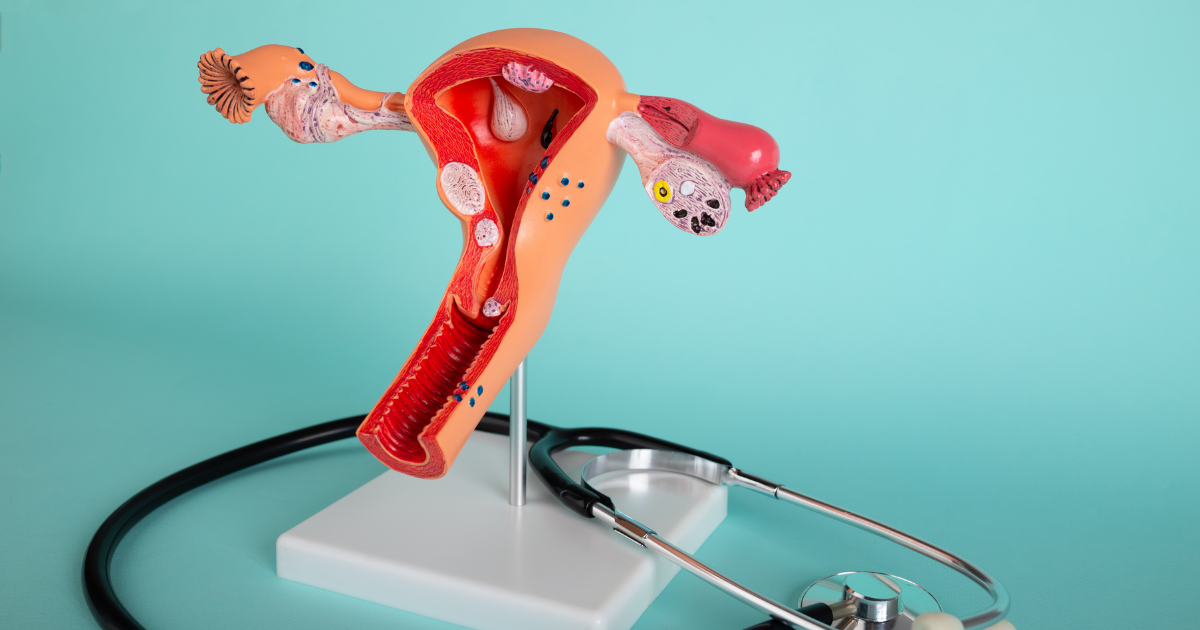
Endometriosis and Pelvic Floor PT
Receiving or suspecting a diagnosis of endometriosis can be overwhelming. Where do you start? Maybe you’ve been to multiple providers. Maybe your pain or corresponding symptoms have been dismissed. We’ll walk through a definition of endometriosis, different medical management strategies, and how a pelvic health therapist can assist with your symptoms associated with endometriosis.