
Receiving or suspecting a diagnosis of endometriosis can be overwhelming. Where do you start? Maybe you’ve been to multiple providers. Maybe your pain or corresponding symptoms have been dismissed. We’ll walk through a definition of endometriosis, different medical management strategies, and how a pelvic health therapist can assist with your symptoms associated with endometriosis.
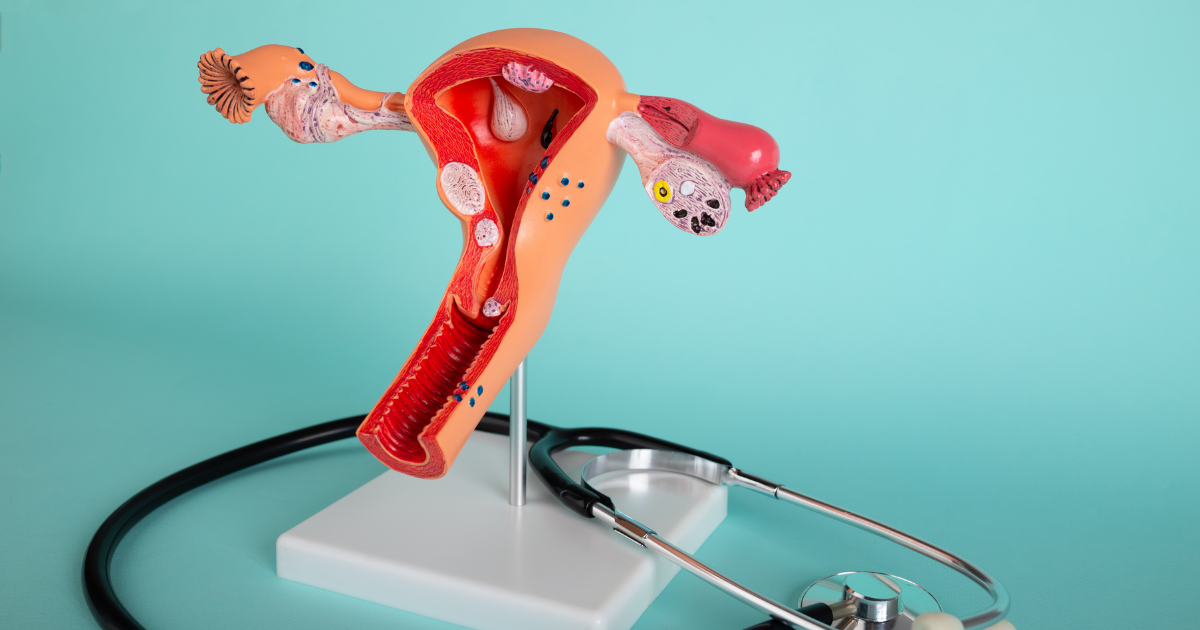
Endometriosis is when endometrial-like tissue similar to that in the uterus, is found outside of the uterus in or on other areas of the body. There are three different types of lesions: superficial, ovarian endometrioma, and deep. These lesions can grow throughout the body and take on different types of appearances. A few common sites where endometriosis implants have been found include: uterus, bladder, bowel, diaphragm, and the inner side of a C-section scar. More rarely endometriosis can be found in the thoracic cavity, around the heart, in the central nervous system, and along the sciatic nerve. Certainly these lists are not exhaustive and endometriosis can be found in other places. There is debate on why the body develops endometriosis. Some practitioners believe it is from retrograde menstruation, while new theories range from immune system dysregulation, epigenetic changes, and hormonal dysfunction. Endometriosis is an estrogen dominant disease and researchers have identified increased inflammatory processes around peritoneal lesions. The theories on the why behind endometriosis are still evolving and because they are, treatment options continue to evolve as well.
Endometriosis is NOT just heavy and painful periods. It can impact the entire body! People with endometriosis can definitely experience pelvic pain, but they may experience it outside of their menstrual cycle, with their menstrual cycle, with bowel movements, with emptying the bladder, and with sexual activity. Pain can be debilitating and impact your ability to go to work, engage in meaningful relationships, change your self-image, and impact recreational activities. From a larger lens a person with endometriosis can have other chronic pain diagnosis like fibromyalgia, temporomandibular disorder, and migraines. With the link to the immune system there can also be changes to energy levels, depression, anxiety, autoimmune diseases, allergies, and other chemical sensitivities. Pain can also extend beyond the pelvis to the hips, back and abdomen most immediately. Symptoms can correspond to the areas someone has potential endometriosis lesions. For example, with someone experiencing pain with bowel movements and difficulty emptying their bowels along with other pelvic pain and symptoms a provider might suspect endometriosis on the bowel.
There are a range in options for treatment for endometriosis. There may be different reasons you may consider a certain route, which is why it is important to consult an endometriosis expert to decide the best medical management for you. After completing a thorough history of symptoms and management, a provider will discuss treatment options. Surgery is one option for treatment to remove lesions. There are two types of endometriosis surgery: ablation and excision. Ablation is laprascopic or robotic where a laser is used to bur the top of the lesion. Excision is laprascopic or robotic where the surgeon cuts out the entirety of the lesion. Due to variability in endometriosis lesion appearance it’s important to consider experience of the provider for surgery. A pathology sample is taken during surgery to confirm diagnosis of endometriosis. The surgeon will also stage the disease. The stage assigned does not directly correspond to the severity of the symptoms. Some centers will complete transvaginal ultrasound or pelvic MRI to assist in the diagnosis of endometriosis, though this requires a skilled reader.
A medical provider might recommend different types of medications to help treat hormone disruptions around endometriosis or the symptoms of pain associated with endometriosis. Some providers might suggest birth control options to try to help with hormonal disruptions. Others might suggest medications in a class called gonadotropin-releasing hormones to induce a chemical menopause. Medications might be suggested before or after surgical options.
Endometriosis can cause changes in the musculoskeletal system. There can be pelvic floor dysfunction as well as changes with the abdomen, spine, and hips most immediately. Experienced pelvic health providers (Physical and Occupational Therapists) can help evaluate and treat the musculoskeletal contributors to pain, sexual health, bladder, and bowel systems. Those with endometriosis can also experience central sensitization. This phenomenon is when the nervous system is more sensitized to pain. When this happens activities or events that should not or used to not be painful are, the system is guarding in anticipation of pain and as a result induces a pain response. Physical and Occupational Pelvic Therapists can help manage and rewire this response. Rehab providers can navigate preparations for surgery and rehabilitations following surgery as well. The pelvic health therapist will complete the evaluation in a private treatment space. An extensive history will be discussed and a musculoskeletal exam can be completed. This exam may include a pelvic floor examination depending on where you are in the rehab process and the symptoms you present with.
There are so many resources and options for treatment! It’s important to find the right members of your care team to partner with as you navigate your new diagnosis of endometriosis.