Let’s Talk Pelvic Health
-
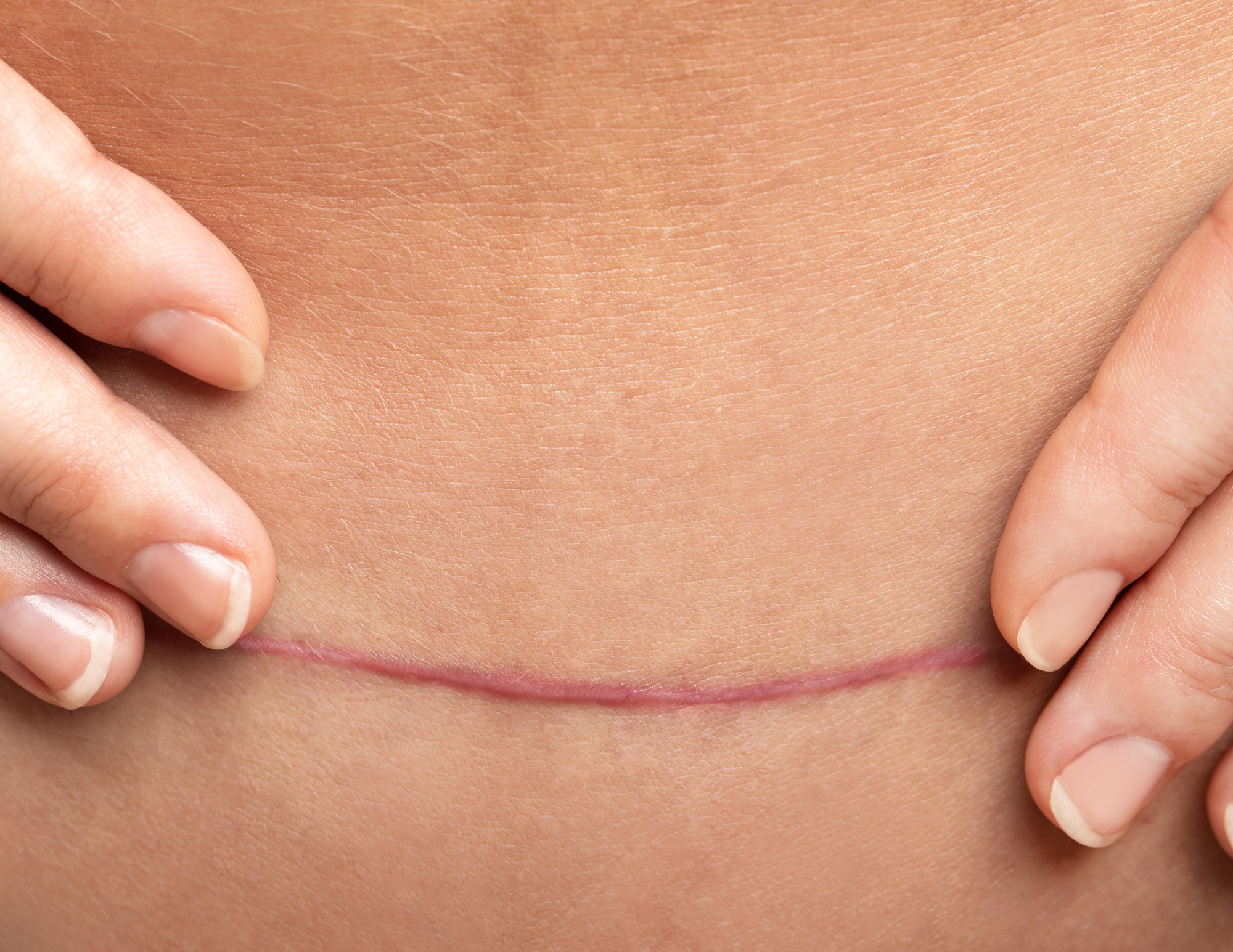
The Importance of Care After C-Section
The single most common surgery in the United States is Cesarean section. They are so common that we might forget that C sections are major abdominal surgeries. During C sections though, the OB GYN cuts through a startling SEVEN layers of tissue to achieve surgical delivery. While we have robust protocols in place for other…
-

Bladder Retraining Program 101
Our bladders love routines. They seem to look for patterns in everything and their main concern in life is not overfilling. When all is healthy, our routine-seeking, protective bladders are wonderful. However, sometimes things can go haywire and our bladders send signals of needing to pee far too frequently. To combat this less-than-ideal bladder pattern,…
-

Zero to Sixty Bladders: Urinary Urgency and How to Quiet a Panicking Bladder
If you feel that your bladder is suddenly your mortal enemy, you can list every bathroom on your common commutes, or couldn’t possibly make it through your book club without excusing yourself repeatedly, it may be time to take action.
-

Intro to Male Pelvic Health (yep, men have pelvic floors too!)
At the end of the day, men absolutely have pelvic floors too. For both men and women, pelvic floors function to provide support to all internal organs, control urination and bowel movements, support sexual health and give stability and strength throughout functional movements. In the same way that pelvic floors function similarly in men and…
-

Defining Dyspareunia
By Chantel Roedner, MD, FACOG What is Dyspareunia? Dyspareunia is a pain experienced with sexual intercourse. It can be primary (occurring from the very first sexual act) or secondary (occurring later in life). Pain may be related to endometriosis, fibroids, pelvic floor dysfunction, infections, skin or other nervous system medical conditions. Some experience pain after…