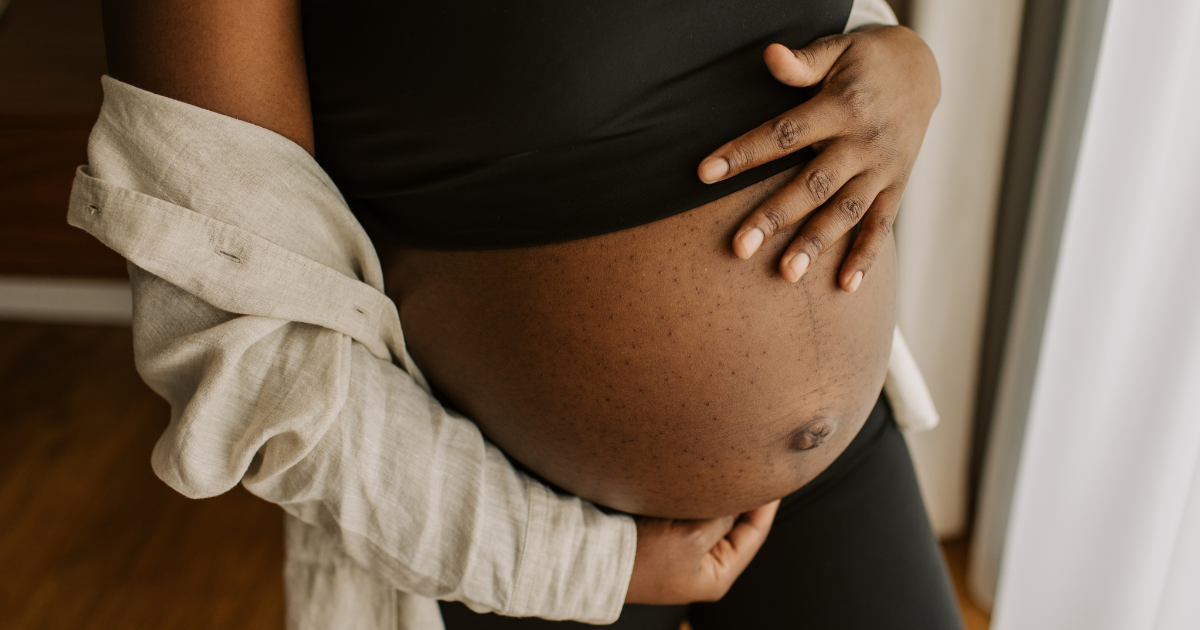

Pregnancy transforms every part of your body—none more so than the mysterious geography of your pelvis. These muscles—layered like a hammock between your pubic bone and tailbone—carry more than a growing baby. They support your bladder, bowel, and uterus, and help with posture, stability, sexual function, and, eventually, the tremendous act of labor. For far too many of us, the pelvic floor becomes a casualty of pregnancy, not a collaborator. Leaks. Pressure. Back pain. A core that no longer feels like home. It doesn’t have to be this way.
This is where pelvic floor physical therapy (PFPT) steps in—not just to patch up postpartum damage, but to build resilience, function, and awareness during pregnancy itself. But with awareness, movement, and proactive care, you can navigate this landscape with intention and resilience. Let’s do a rapid fire round of how PFPT can help (and don’t worry, we’ll be doing more in-depth looks at these topics in the coming weeks!).
1. Quiet Leaks and Daily Incontinence
It’s common to notice trickles when you cough, sneeze, or laugh—a condition known as stress urinary incontinence. Up to half of pregnant people experience pelvic floor symptoms even before birth. The culprit? Growing pressure on the bladder and weakened pelvic muscles. Thankfully, pelvic floor muscle training (PFMT)—think individual-specific Kegels done correctly—has clear evidence for reducing incontinence during and after pregnancy.
To do them well:
- Find your muscles by pausing your urine midstream (for identification only).
- Keep a quiet body! While we want the pelvic floor to learn to partner with the rest of the muscular system, teaching these muscles to work on their own is important to make sure we truly build them up during pregnancy. A great way of checking for isolation of the pelvic floor is seeing if anything else moves (looking at you, gluts, thighs, and belly!). Ideally the person sitting next to you shouldn’t be able to see you move when you kegel.
- Try a variety of kegels:
- Quick flicks: Gently squeeze and relax the pelvic floor. See how many of these quick pulses you can do in 10 seconds. A good goal is 7 in 10 seconds, though making sure you relax fully between each squeeze is the most important first step.
- Hold kegels: Contract and lift those muscles for 5–10 seconds, then relax.
- Diaphragmatic kegels: Inhale through your nose and let your belly rise as your pelvic floor sinks downward towards your feet. Exhale through pursed lips as you gently kegel up and in. This one takes practice!
- Work with a pelvic floor therapist if you’re unsure or feel pain.
2. The Ache at the Pelvic Girdle and Low Back
Nearly half of all pregnant women experience pelvic girdle pain (PGP), with 25% having severe symptoms Wikipedia. You might feel it as sharp or dull discomfort between hips, sacroiliac joints, or pubic bones, often linked to the hormone relaxin loosening connective tissue and instability around the pelvis. Pelvic PT can help!
How to relieve and prevent it:
- Posture is everything—keep weight evenly distributed, avoid slouching, and maintain neutral spine alignment whether standing, sitting, or walking.
- Strengthen stabilizers: gentle glute bridges, squats, hip openers, and core stabilization help support the pelvic girdle throughout the second trimester, reducing pain and improving function Pelvic Health Support.
- Undo tightness: muscles often clinch as everything else becomes more lax during pregnancy. Gently building back the length of these muscles can help with comfort and balance during your daily activities.
3. Staying Active
Regular movement is a lifeline—for digestion, mood, strength, and pelvic resilience. Even low-impact activities like walking, prenatal yoga, swimming, or Pilates can bolster pelvic health without strain. Have a favorite exercise or sport from your pre-pregnancy days? In most cases it’s safe to continue so long as there isn’t a risk of impact to the belly, though you may need to modify as you go. Ask your provider what exercise is and is not appropriate for you and for strategies to modify!
- The American College of Obstetricians and Gynecologists (ACOG) recommends at least 150 minutes of moderate-intensity aerobic activity per week during pregnancy and postpartum (ACOG Committee Opinion No. 804).
- A PFPT helps you:
- Modify exercises to suit trimester, comfort, and pelvic health
- Choose movements that stabilize rather than strain your core
- Engage your pelvic floor without over-tightening it
- Maintain endurance and function for labor and recovery
4. Taming Constipation and Protecting the Floor
Progesterone slows digestion; growing weight adds pressure; and many women delay bathroom visits—all of which can lead to constipation. Straining to pass stool weakens the pelvic floor and increases risk of hemorrhoids and prolapse.
Avoid these traps:
- Stay consistently hydrated and eat 25–35 g of fiber daily from whole foods and legumes.
- Learn proper toilet posture: knees above hips using a stool, lean forward gently, breathe into the belly, avoid pushing or hurrying.
- Don’t “just in case” go—urinating when not needed can retrain the bladder to hold less and weaken the signals between brain and bladder.
- Try 1tsp of ground flaxseed daily.
- If these steps aren’t cutting it, don’t accept bowel and bladder concerns as just another complaint of pregnancy. Talk with your provider for additional steps! Addressing these symptoms early can both improve your pregnancy experience and set you up for success after baby.
5. Let’s Talk About DRA (Diastasis Recti Abdominis)
Diastasis recti is a normal widening of the linea alba (the connective tissue between your rectus abdominis muscles). By the third trimester, almost all pregnant people have it to some degree. The issue isn’t separation—it’s what happens if your core can’t transfer load effectively as that tissue stretches.
PFPT focuses on:
- Transversus abdominis (TA) activation: This deep abdominal muscle acts like a corset. Engaging it appropriately (not forcefully) can reduce pressure on the linea alba.
- Posture and alignment: Standing or sitting in a way that stacks the rib cage over the pelvis reduces downward pressure on the abdominals and pelvic floor.
- Avoiding coning or doming: Your therapist will show you how to modify activities to avoid outward pressure through the midline—like during sit-ups, transitions, or pushing a stroller.
When practiced consistently, PFPT-guided core exercises can reduce the severity and duration of DRA postpartum—and in many cases, help prevent functional problems entirely.
Pelvic floor PT isn’t just about birth prep—it’s about recovery, too. Seeing a PFPT during pregnancy creates a baseline, making it easier to detect what’s normal and what needs attention after delivery.
6. Preparing for Labor: Learning the Rhythm
Your pelvic floor needs to be both strong and flexible—strength to push effectively, flexibility to allow your baby to pass without excessive force. This duality matters.
- Breathing awareness: diaphragmatic breathwork helps release pelvic tension and synchronize pushing technique, reducing chances of tearing or over‑straining.
- Practice birthing positions: squatting, upright, hands-and-knees, or side‑lying are options that may feel more effective than the traditional supine, and often place less stress on the perineum.
- Perineal massage and warm compresses starting at week 34, taught by your provider, can gently stretch the tissues and lower the risk of severe tearing or episiotomy.
7. After Delivery: Healing and Recovery
The fourth trimester is the time to nurture, rebuild, and re-establish connection with your pelvic floor. Healing takes months — not six weeks on a calendar. Relearning your new body can take even longer.
- Continue gentle pelvic floor muscle training as soon as it feels safe—start small, increase with comfort.
- Pelvic floor physical therapy can help restore strength, release tight or scarred tissue, and address any remaining incontinence, prolapse, or pain—most report significant improvement within 3 months, while some pelvic pain issues may take longer.
- Avoid heavy lifting and abrupt core tension; allow your body gradual return to activity.
- Supportive postpartum care: stool softeners, warm/compress packs, gentle perineal care, lifestyle support kits can ease discomfort and promote healing.
8. Your Pelvic Story Isn’t Predestined—You Can Shape It
You Don’t Need to Just “Deal With It”
Pregnancy changes your body. But with the right support, those changes can lead to strength, not dysfunction. Pelvic floor PT is not just for the broken, the leaky, or the in-pain—it’s for everyone who wants to move through pregnancy with more clarity, confidence, and connection. Give your pelvic floor the care it needs, and it will support you for years to come—through birth, recovery, and beyond.
Key takeaways:
- Build awareness and connection to your pelvic floor early.
- Strengthen through PFMT, movement, posture, and support.
- Maintain hydration, fiber, and proper bathroom etiquette.
- Practice breathing, birthing positions, and perineal preparation.
- Expect recovery to take time, and seek help as needed.
This is your bodily terrain, shifting and rising. With the right guidance, you can navigate it—not just survive it—and arrive at motherhood grounded, supported, and strong.